
SOLAR FOR YOUR NEW BUILD IS GETTING IT RIGHT FIRST TIME
Updated August 29th, 2025
By Morgan Pierce

Housing. The lack thereof. The expense. It is the conversation of the summer.
Last week, while having coffee with a mixed crowd of mothers and daughters to celebrate an impending wedding, I asked one of the bridesmaids how progress was going on her new house build. It was frustrating to learn that she and her partner are considering foregoing the installation of solar for their new build “for the time being” because of the additional initial expense.
That’s because new homes are not, unfortunately, eligible for the SEAI’s solar energy upgrade grants – which apply only to houses built before 2021.
Back at the turn of the Millennium, in an effort to encourage house builders to invest in renewable energy technologies to heat and power new homes the government introduced a grant.
The grant for new builds which saw a total of some 11,000 people apply for funds to install solar ended in 2008 – when the Greener Homes Scheme made it mandatory to provide some form of renewable energy in all newly built houses.
At the time the grants were dropped and the new regulations were coming into force, the Green Party described it as an essential move toward “normalising” the need for more environmentally-friendly homes “Green energy sources,” one local Green Party Councillor pointed out, “would add value to houses in the long run.”
Over the past decade home building standards have adapted to meet the need to mitigate climate change. In 2010, the EU passed regulation to ensure that all new building would meet the highest possible standards for energy efficiency. Nearly Zero Energy Buildings (NZEB) are 70% more energy efficient and emit 70% less carbon dioxide than those built under previous regulations.
In Ireland, the NZEB code was put into force in 2019, through “Part L” of the Building Code. In practical terms that has meant that all new residential dwellings – be they houses or apartments – have had to achieve a Building Energy Rating (BER) of A2.
The definition of a “nearly zero energy building” includes the stipulation that the “nearly zero or very low amount of energy required should be covered to a very significant extent by energy from renewable sources, including energy from renewable sources produced on-site or nearby”.
With the new regulations in place, the logic behind grants for new builds went out the window.
Solar For Your New Build Makes Sense
But tens of thousands of homes and apartments have been built since the new legislation came into force – that’s tens of thousands of home and apartment owners who haven’t qualified for the solar grant to install solar on their new build.
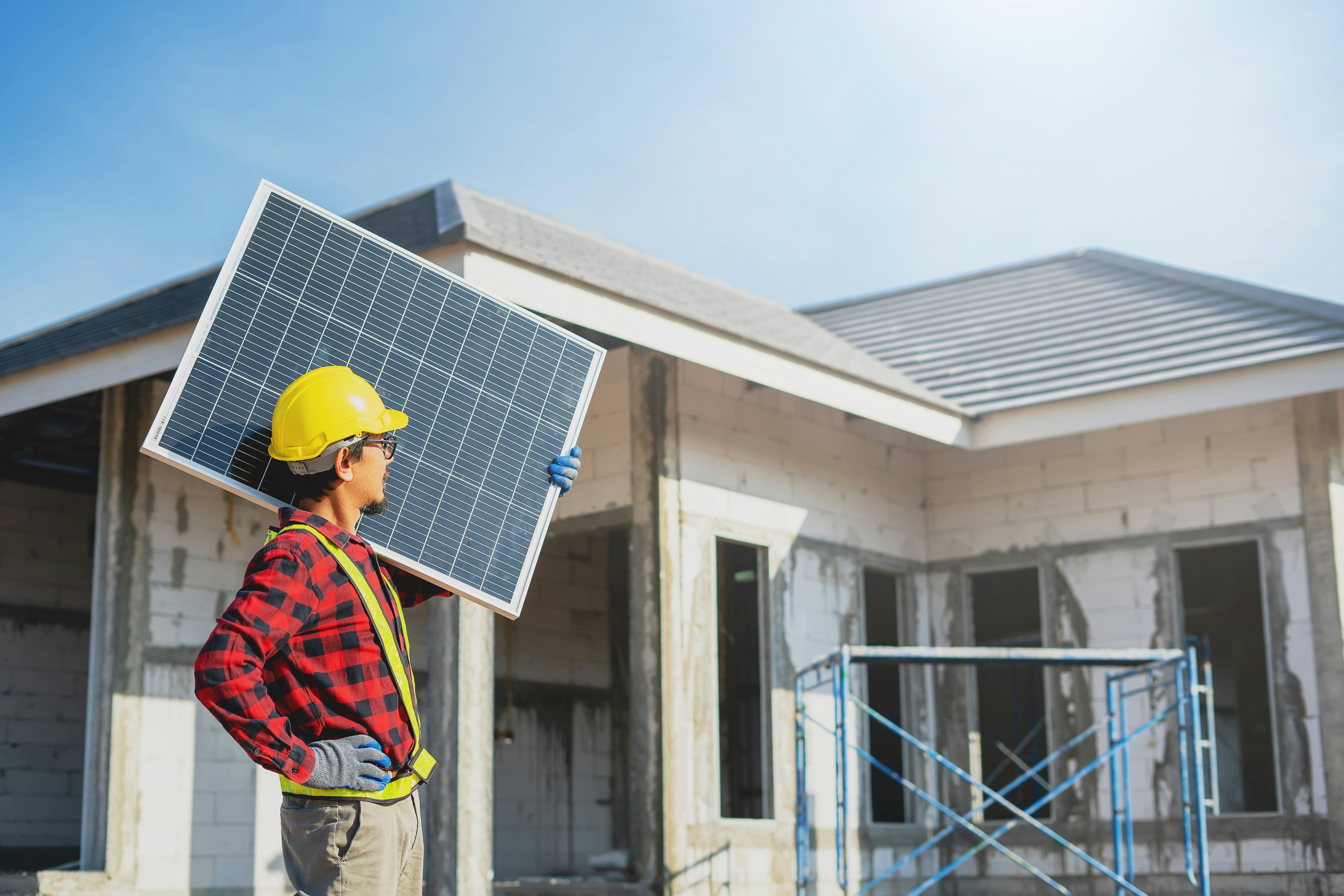
In this circumstance, it remains important to convince home builders – especially ones like my financially stretched young friends – of the benefits of investing in solar for their new build from day one.
Even without grant aid, installing solar has never been easier. The government has dropped VAT for the installation of solar panels to 0%, and revised planning laws to exempt solar installations from the requirement for planning permission. And reliable, experienced installers like SolarSmart are available – with technicians equipped to work across the country – to make incorporating solar in your new build as seamless as possible.
Adoption of tighter, more environmentally rigorous building standards will over time limit greenhouse gas inducing emissions from our housing stock. Eliminating the use of solid fuels in heating will improve air quality, particularly in our cities.
For individuals the new regulations will make homes more energy efficient and less-costly to heat and power.
These are changes that need to be embraced. And adding solar to your new build plans is one smart way to do that.
Why Choose Solar In Ireland?
Investing in a solar panel systems in Ireland can bring many benefits, including reduced energy bills, increased energy independence, and a reduced carbon footprint. If you are interested in installing a solar panel system in Ireland, it is also worth exploring the different grant options and green business loans available and seeking professional advice from one of our solar energy advisors.
Feel free to contact us for more information, we’re here to help.


