
HOME RETROFIT AND SOLAR FOR AN AFFORDABLE, GREENER FUTURE
Updated January 30th, 2026
By Morgan Pierce

Affordability. It’s a thing right now. It might even become “the word” of 2026. According to the Cambridge Dictionary, it’s “the state of being cheap enough for people to be able to buy.”
As definitions go, that would seem to be a no-brainer. But in some parts of the world politicians seem to be struggling with the idea. President Trump famously called concerns about affordability both a “hoax” and a “con job” by the opposing Democratic Party, before later making a U-turn and promising to “make America affordable again.”
Here at home, “affordability” most often equates with the cost of living. According to consumer advocate Eoin Clarke of Switcher.ie a number of regular household bills – energy, broadband, insurance and groceries – will rise in 2026.
Last year, three of Ireland’s major electricity suppliers raised annual bills by between 10% and 14%, so that the average homeowner is paying €1,729 annually for electricity and €1,498 for gas.
Uncomfortable for us all, and disastrous for some families. Figures from the utilities regulator (CRU) show about 300,000 households have fallen into arrears on their energy bills.
Switcher’s Clarke advises that the best way for consumers to avoid the debt trap and save on energy is to switch provider. And shopping around for the best price on anything is always a smart idea.
In the case of energy, though, we think this might be the year when the smartest customers make the switch to become “prosumers” – producing and consuming energy generated by solar and retrofitting their homes to be as energy efficient as possible.
A home retrofit that saves on energy consumption has the added bonus of increasing the value of your home. According to the Sustainable Energy Authority of Ireland (SEAI), each point you move up on the energy efficiency “BER” scale is worth a 1% increase in value.
New figures from the SEAI show that over 58,000 homes across the country were in receipt of a home retrofit grant in 2025, marking an 8% increase on the previous year and the highest level of uptake ever recorded.
In total, €645 million in Government funding was invested through SEAI schemes in 2025 to support energy upgrades, renewable energy installations, and efficiency measures for households and businesses. Notably, 2025 was a record year for solar. More than 102,000 homes nationwide have benefited from solar grants since the grant’s inception – more than a third of those in 2025 alone.
Back in December, we praised Climate Minister Darragh O’Brien for his decision to freeze the level of grant aid available for the installation of solar. The solar grants had been scheduled to drop to a maximum of €1,500 on January 1, 2026, then a further €300 per year until being phased out entirely. That decrease did not happen, and the phase out is on hold.
Maintaining the solar grant at the current level ensures that more families are able to make the transition away from fossil fuels. It was clear recognition that Government financial support has been a crucial catalyst in the switch to renewables — especially for less well-off households who might be deterred by the upfront cost of installation.
Plans For Higher Home Retrofit Grants
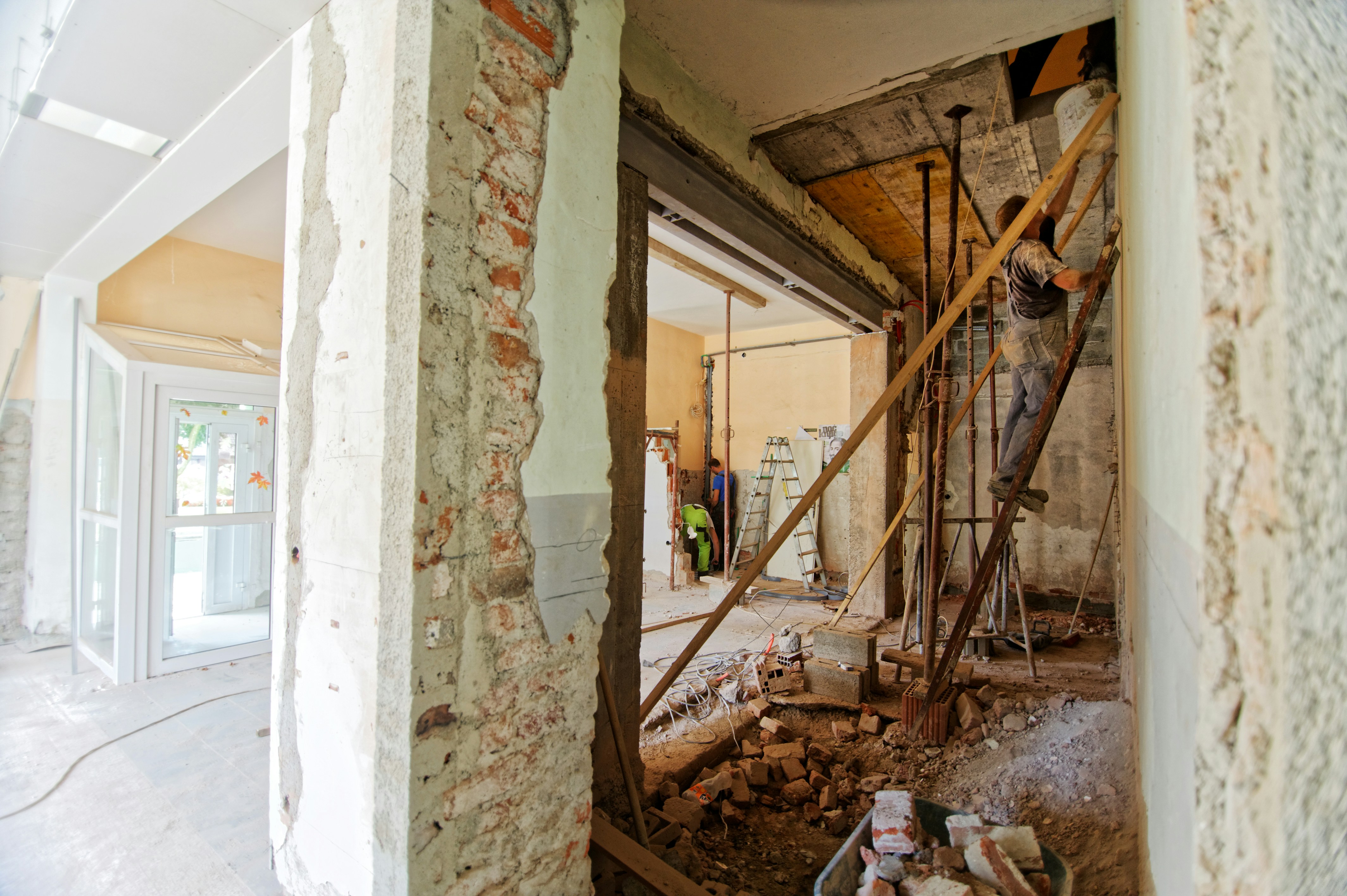
And now the Government has taken another important step toward ensuring the affordability of energy-saving, environmentally savvy home retrofits
Under provisional plans, a total of €558m will be allocated for SEAI home retrofit grants for attic insulation, heat pumps and new windows and doors. Home owners are expected to be able to claim attic insulation costs of €1,800, a rise of €300. Heat pump grants are expected to be as much as €9,600 on a €12,000 installation. And grants of up to €3,000 for new windows and doors are also expected to be made available.
There are other significant changes afoot for the home retrofit scheme as well. Minister O’Brien is advancing plans to introduce a “retrofit passport”, which will allow people to upgrade their homes stage by stage, rather than having to do it all at once, as has been the case until now.
“I am trying to make them more accessible. If I replace the windows and doors in my house, that makes my house warmer and it means I will reduce my energy use and reduce emissions from the house,” O’Brien said last month. “I am looking at options around how we could permanently reduce people’s bills, particularly for those in arrears.”
Government’s goal is that some 65,000 Irish households would avail of energy upgrade grants – including heat pumps, insulation and solar – this year. These welcome enhancements to the SEAI’s retrofit scheme should help make that goal a reality.
Affordability is a real concern for ordinary people. Making positive changes to our housing stock an economic possibility for all, will lower energy costs, ease the burden on homeowners, and limit our use of climate-destroying fossil fuels. That’s no hoax.
Why Choose Solar In Ireland?
Investing in a solar panel systems in Ireland can bring many benefits, including reduced energy bills, increased energy independence, and a reduced carbon footprint. If you are interested in installing a solar panel system in Ireland, it is also worth exploring the different grant options and green business loans available and seeking professional advice from one of our solar energy advisors.
Feel free to contact us for more information, we’re here to help.


