
IS A SOLAR BATTERY BESS-T?
Updated July 4th, 2025
By Morgan Pierce

One hundred twenty-six years. That’s when Met Éireann began keeping records of the Irish weather. And in all that time, there has never been a warmer, sunnier spring than Ireland experienced in 2025.
Even as we all rejoice in the glorious weather, those of us who care about such things are reminded that it is not the result of the entire island of Ireland being towed southward toward the equator. It is, rather, a by-product of the steady upward creep in global temperatures that may eventually – without effective mitigation – cause devastating harms.
We in the solar energy industry are in the business of effective mitigation. We are also in the business of making the maximum use of the power it is possible to capture from the rays of the spring and summer sun.
Consumers often ask us what type of solar system they should opt for. With solar, as with so many consumer choices, there is no right answer – there is only the answer that is right for your wallet and your circumstances.
For some of our customers, the right choice will be one of our basic six-panel systems. One of these can be installed for under €6,000 (after deducting the SEAI’s €1,540 grant) and will generate enough electricity to pay for itself within six to seven years.
That basic system comes without a solar battery – which means that any excess energy your array generates will be fed back into the grid at whatever price (called a feed-in tariff) is provided by your energy provider.
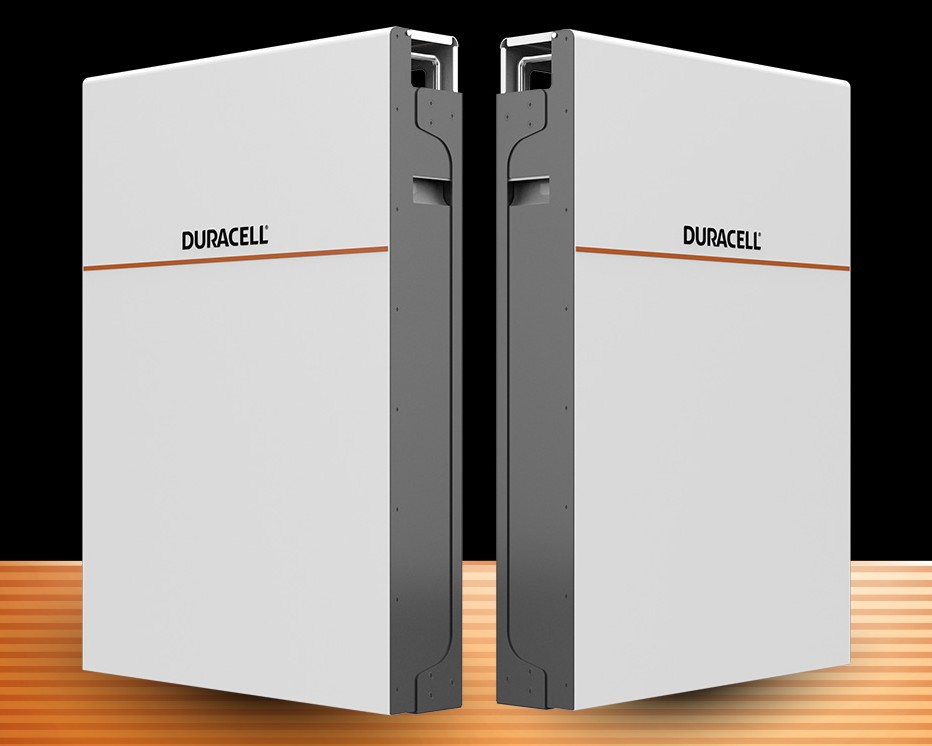
For many of our customers, though, the right choice will be one that includes a battery energy storage system (BESS).
A solar array with solar battery storage capacity is costlier at the time of installation. A battery typically adds a couple of thousand euros to the initial outlay. Our own ten panel array with battery comes in at just under €9.000 (after deducting the SEAI grant of €1,800). But that system – and even our larger 14 panel version – actually pays for itself within six years.
Solar Battery Economics
How can a system that costs more earn back its own value more quickly?
It does so by maximising “self-consumption”. In Ireland – even in these long sunny summer months – most solar energy is produced in the middle of the day, while electricity demand peaks in the morning and evening when families are at home. Because the solar battery enables the system to store any excess energy it produces at peak times, that power is there to be used later. So, there is reduced need to purchase electricity from a retail energy provider.
The bottom line is still the bottom line – self-consumption remains more cost effective than selling excess energy back to the grid.
We cheered when Ireland introduced feed-in tariffs – otherwise known as the Clean Export Guarantee. The CEG incentivises the transition to renewable energy by guaranteeing that homeowners and other “microgenerators” are paid for any surplus electricity they supply to the grid. But the cost of electricity remains higher than the prices being paid to sell energy back to the grid in feed-in tariffs.
For the time being, it makes financial sense to store and use your own solar and buy as little as possible from your retail energy provider.
Looking beyond the cost, energy purchased from the grid comes from a mix of renewable and non-renewable (fossil fuel) sources. By adding a solar battery to your solar system and thereby increasing your home’s self-consumption capacity, you reduce your carbon footprint along with your energy bills.
Why Choose Solar In Ireland?
Investing in a solar panel systems in Ireland can bring many benefits, including reduced energy bills, increased energy independence, and a reduced carbon footprint. If you are interested in installing a solar panel system in Ireland, it is also worth exploring the different grant options and green business loans available and seeking professional advice from one of our solar energy advisors.
Feel free to contact us for more information, we’re here to help.


